Breathing Wrong Every Night: The Hidden Toll of Undiagnosed Sleep Apnea on Your Heart, Brain, and Lifespan
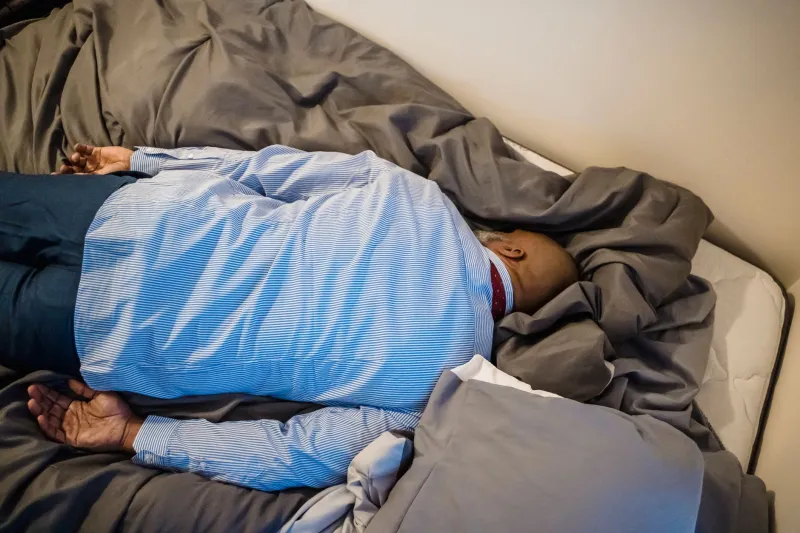
Every night, an estimated 30 million Americans stop breathing—sometimes hundreds of times—while they sleep. Their oxygen levels drop. Their hearts work harder. Their brains never fully rest. And the vast majority of them have no idea any of this is happening.
Sleep apnea is not simply a snoring problem or a nuisance for bed partners. It is a serious, systemic medical condition that, when left untreated, quietly erodes the health of nearly every organ system in the body. Yet according to the American Academy of Sleep Medicine, roughly 80 percent of moderate to severe cases in the United States go undiagnosed. That is not a gap in awareness—it is a public health crisis hiding in plain sight.
What Sleep Apnea Actually Does to Your Body
Obstructive sleep apnea (OSA), the most common form, occurs when the muscles at the back of the throat relax too deeply during sleep, causing the airway to collapse partially or fully. The result is a cycle of oxygen deprivation and arousal that can repeat dozens—or even hundreds—of times per hour. Central sleep apnea, a less common variant, involves the brain failing to send proper signals to the muscles that control breathing.
Each apnea event triggers a brief stress response. Cortisol and adrenaline surge. Blood pressure spikes. The heart rate fluctuates. Over months and years, this nightly physiological assault accumulates into something far more serious than poor sleep quality.
Research has established clear links between untreated sleep apnea and an elevated risk of hypertension, atrial fibrillation, coronary artery disease, and stroke. A study published in the Journal of the American Heart Association found that people with severe, untreated OSA face a significantly higher likelihood of experiencing a major cardiovascular event compared to those without the condition. The mechanism is not difficult to understand: repeated oxygen drops force the cardiovascular system into a chronic state of low-grade emergency.
The neurological consequences are equally alarming. Fragmented sleep architecture prevents the brain from completing essential restorative processes, including the clearance of metabolic waste products associated with Alzheimer's disease. Cognitive symptoms—difficulty concentrating, memory lapses, slowed reaction time—are common complaints among people with untreated apnea. Emerging research suggests that long-term oxygen deprivation may accelerate structural changes in the brain, raising the stakes of delayed diagnosis considerably.
Metabolic health is affected as well. Sleep apnea disrupts glucose regulation and is strongly associated with insulin resistance and type 2 diabetes. The condition also interferes with the hormones that regulate appetite, making weight management more difficult—and since excess weight is itself a risk factor for apnea, a reinforcing cycle can develop that is difficult to interrupt without treatment.
The Diagnosis Gap: Who Gets Missed and Why
The conventional image of a sleep apnea patient—an overweight, middle-aged man who snores loudly—has done significant harm to diagnostic accuracy. While that profile does reflect a higher-prevalence demographic, it has led clinicians to overlook the condition in patients who do not fit the stereotype.
Women with sleep apnea are frequently misdiagnosed or dismissed. Their symptoms often present differently: less dramatic snoring, more prominent fatigue, mood disturbances, and insomnia-like complaints rather than the textbook gasping and choking episodes. These presentations are more easily attributed to depression, anxiety, hormonal shifts, or stress—particularly during perimenopause, when apnea risk rises substantially. Studies suggest women with OSA wait significantly longer than men to receive a diagnosis, a disparity with real health consequences.
Communities of color also face disproportionate diagnostic delays. Black and Hispanic Americans have higher rates of sleep apnea but lower rates of diagnosis and treatment, a pattern shaped by limited access to sleep specialists, mistrust of medical institutions rooted in historical mistreatment, and a persistent tendency within healthcare settings to underestimate reported symptoms. Children—particularly Black children—are also underdiagnosed, despite pediatric sleep apnea carrying its own serious developmental and behavioral consequences.
Beyond demographic blind spots, there is a structural problem: sleep apnea requires a sleep study for definitive diagnosis, and accessing one has historically meant a referral, a wait, and an overnight stay in a sleep laboratory. For individuals without comprehensive insurance, reliable transportation, or the ability to take time off work, these barriers are not minor inconveniences—they are effective walls.
Recognizing the Warning Signs
Because a bed partner's observation of stopped breathing is not always available—and because many people sleep alone—it is worth knowing the full range of symptoms that warrant evaluation:
- Persistent, unexplained fatigue despite what seems like adequate sleep time
- Waking with headaches, particularly in the morning
- Frequent nighttime urination, which can be triggered by pressure changes in the chest during apnea events
- Dry mouth or sore throat upon waking
- Difficulty concentrating or memory problems that seem disproportionate to your age or circumstances
- Mood changes, irritability, or symptoms that resemble depression
- Witnessed pauses in breathing or loud, disruptive snoring
- Gasping or choking sensations that wake you from sleep
Not every person with sleep apnea snores loudly. Not every person is visibly overweight. If several of these symptoms are familiar, that pattern deserves a conversation with a healthcare provider.
Getting Evaluated: What to Expect and How to Advocate for Yourself
The first step is raising the concern directly with your primary care physician. If you have been attributing your symptoms to stress, aging, or lifestyle factors without improvement, sleep apnea is worth naming explicitly as a possibility you want ruled out.
Diagnosis is typically confirmed through a sleep study, which measures breathing patterns, oxygen levels, heart rate, and sleep stages. Home sleep apnea tests (HSATs) have become increasingly available and are now covered by most major insurance plans for straightforward cases, removing some of the access barriers that once made diagnosis cumbersome. For more complex presentations—or when central apnea or other sleep disorders are suspected—an in-laboratory polysomnogram remains the more comprehensive option.
If your initial concerns are brushed aside, it is both appropriate and important to persist. Request that your symptoms be documented in your medical record. Ask specifically whether a sleep study referral is warranted. If you feel your concerns are not being taken seriously, seeking a second opinion or requesting a referral directly to a sleep specialist is a legitimate course of action.
Treatment options have expanded considerably. Continuous positive airway pressure (CPAP) therapy remains the gold standard for moderate to severe OSA, and newer devices are quieter, more compact, and more comfortable than earlier generations. For those who cannot tolerate CPAP, alternatives include oral appliances fitted by a dental specialist, positional therapy for position-dependent apnea, and—in select cases—surgical interventions or newer nerve stimulation implants.
The Cost of Waiting
Sleep apnea is not a condition that stays contained. Left unaddressed, it accumulates damage over years and decades, often surfacing first as high blood pressure that is difficult to control, then as cardiac events or metabolic disease, and eventually as cognitive changes that may be difficult or impossible to reverse.
The encouraging reality is that treatment works. Effective management of sleep apnea has been shown to reduce blood pressure, lower cardiovascular risk, improve glycemic control, restore cognitive function, and dramatically improve quality of life. The intervention exists. The diagnostic tools are accessible. What has been missing, for too many Americans, is the pathway to reach them.
If the symptoms described in this article sound familiar—whether for yourself or someone you care for—the appropriate response is not to wait and see. It is to ask the question, pursue the evaluation, and refuse to accept dismissal as a final answer. The years you protect may well be your own.